The evolution of the kitchen: from utility to sanctuary
For the past fifty years, kitchen design has mirrored society’s changing relationship with the home. The 1970s saw a shift from separate sculleries to integrated, brightly coloured fitted units. The 1980s introduced the solid oak door, while the 1990s brought minimalist white and stainless steel. The early 2000s introduced the open-plan living trend, making the kitchen the home’s central entertainment hub, eventually leading to the cool grey and industrial aesthetics of the last decade. Since 2020, the line between work, rest, and cooking has dissolved completely, and the market is poised for its next significant evolution. The transition from a functional catering workspace to a luxurious sanctuary, seamlessly zoning cooking, eating, relaxing and working.
2026 Kitchen Design Trends
The trend for 2026 demands warmth, comfort, and integration of technology and storage, embodying a new sense of quiet confidence and effortless living.
We asked Chris Beale, our Managing Director, to highlight the three main features we can expect to see in high-end kitchen design in 2026. These features, combined with a focus on tactile materials and seamless integration, define the next generation of high-quality European kitchen design.
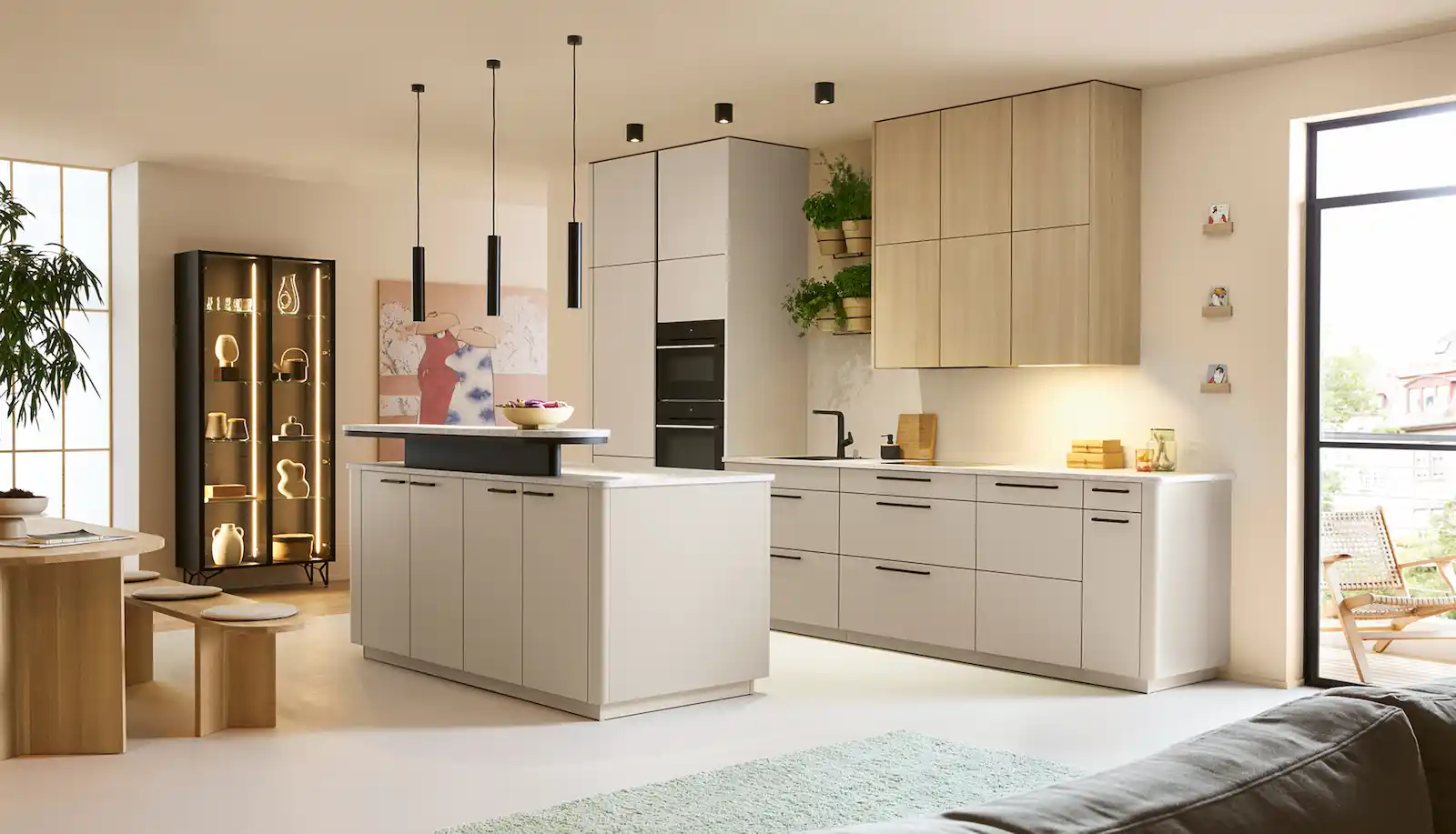
1. Softer Edges and Subtle Curvature
A significant shift is underway, moving away from sharp, hard-edged lines towards comfort and organic forms. The new luxury kitchen embraces softness, treating the space less like a utility room and more like curated, sophisticated furniture.
- Cupboard Design: Expect to see softer edges on cabinet doors, with subtle rounding to avoid a boxy appearance. For example, brands like Schüller have introduced Salona, a new door style, to exemplify this trend.
- Architectural Shapes: Curved forms will be prominent features. Breakfast bars and island ends are featuring rounded edges and cupboard units to encourage a more relaxed, social atmosphere.
- Contrasting Styles: This aesthetic often blends modern minimalist spaces with the warmth of French country and cottage styles, creating a sophisticated contrast.
2. Earthy Tones and Warm Colour Palettes
The decade-long reign of grey and cool white is ending, yielding to a deeper, more comforting colour palette inspired by natural landscapes.
- Warm Neutrals: The aesthetic is moving decisively towards warm browns and soft oranges. These earthy tones provide a feeling of grounded luxury and intimacy. For instance, Varese is a new door finish that perfectly encapsulates this movement towards richer, mid-toned warmth.
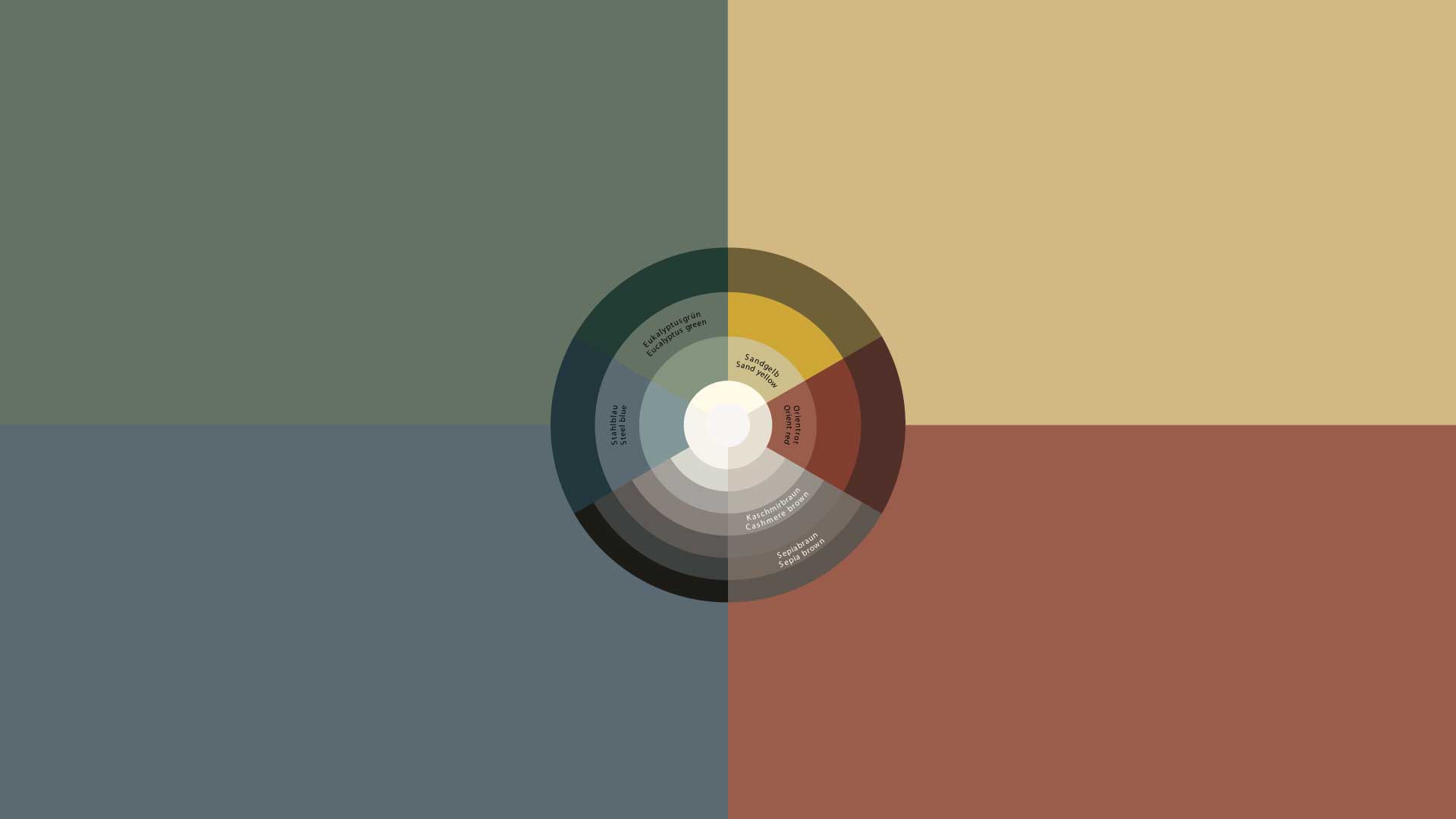
- Coordinated Zoning: The Schüller 2026 range exemplifies this with a colour wheel that offers coordinated colour ranges, allowing seamless zoning and movement from the kitchen to the dining, living, and study areas in open-plan spaces.
- Expanded Palette: This curated palette includes shades ranging from mustards and ochres to earthy red browns, steel blues, and nature-inspired greens, enabling sophisticated tonal changes across furniture elements.
- Statement Colour: While the overall mood is warmer, the use of a rich, deep statement colour (such as deep greens, plum, or burgundy) for a feature island or specific storage block remains fashionable.
3. Integrated Living and Innovative Storage
The kitchen no longer exists in isolation. Design principles and innovative solutions are being extended across the entire home to create a seamless flow and maximise workable space. A design approach that takes open-plan living to the next level.
Chris spoke to Marcus Schüller, Chair of Schüller, who notes, “We recognise that with open plan spaces, the kitchen is not only a cooking place. It is a living place.”
- Holistic Design: Integrated design is now being applied beyond the kitchen, with matching or complementary units for office, dining/living, and hallway furniture. This approach ensures visual harmony across open-plan areas. Chris notes that Schüller, a family business established in the 1960s and known for its balance of quality, style, and functionality, uses the strapline ‘Feel at home’ to describe this approach.
- Hidden Functionality: Bespoke solutions allow the kitchen to transform instantly. Examples include:
- Press and slide cupboard doors that disappear to create extra workable space.
- Drop-down tables cleverly integrated as cupboard doors.
- Walk through cupboard doors that efficiently conceal and hide utility rooms or pantries.
- The ability to hide the boiler behind a single door or large appliances behind flush panels.
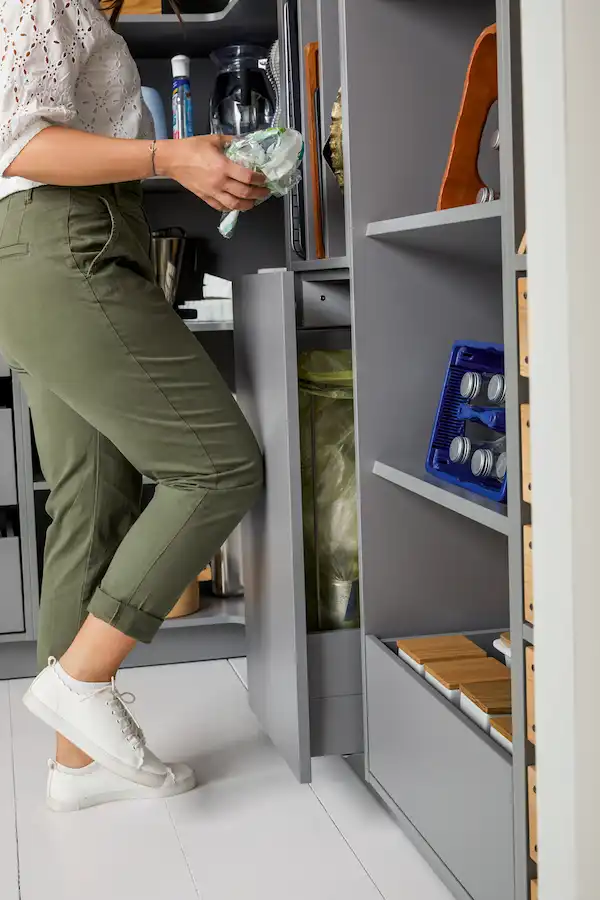
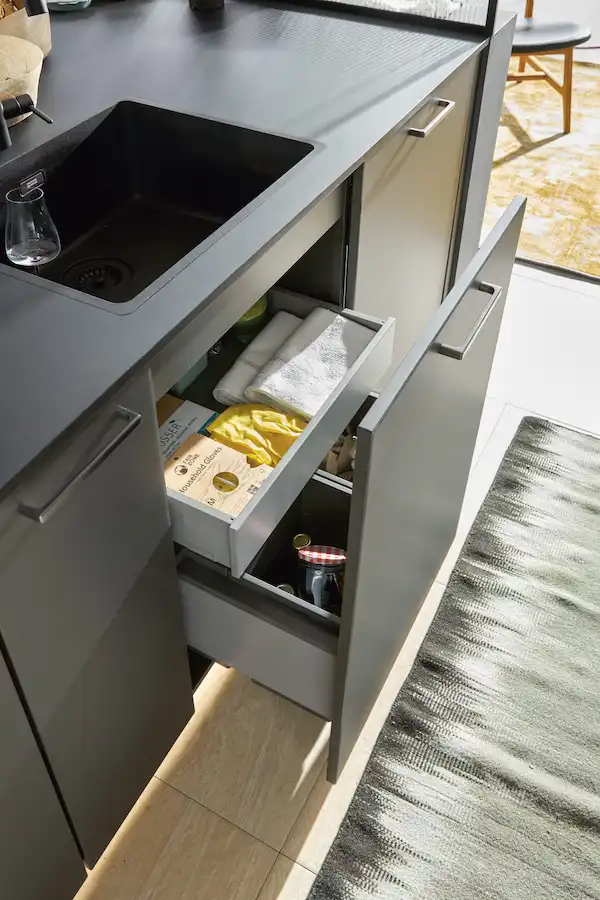
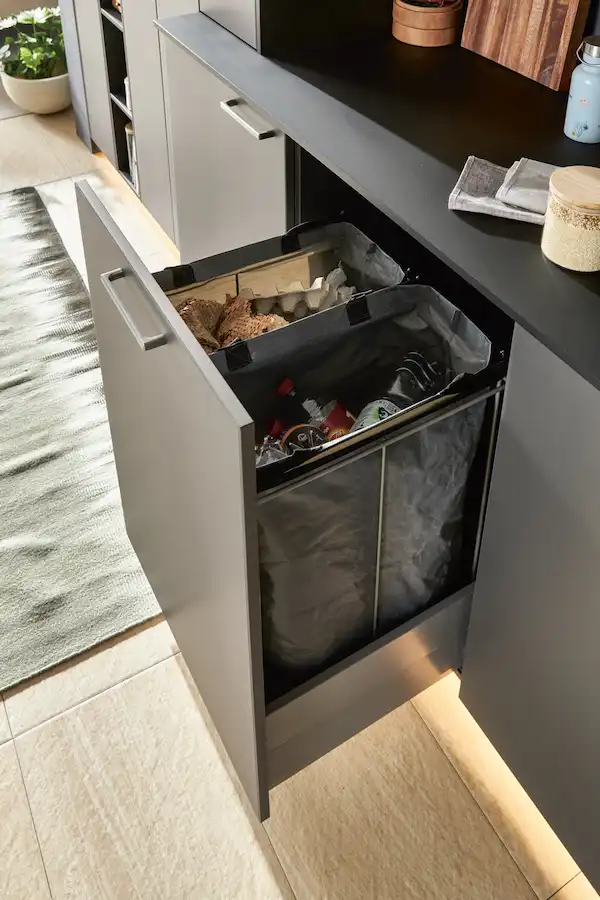
- Intelligent Access: Internal storage is evolving for better access and organisation. Storage includes the integration of drawers within tall cupboards to improve accessibility, as well as bespoke, custom pantries.
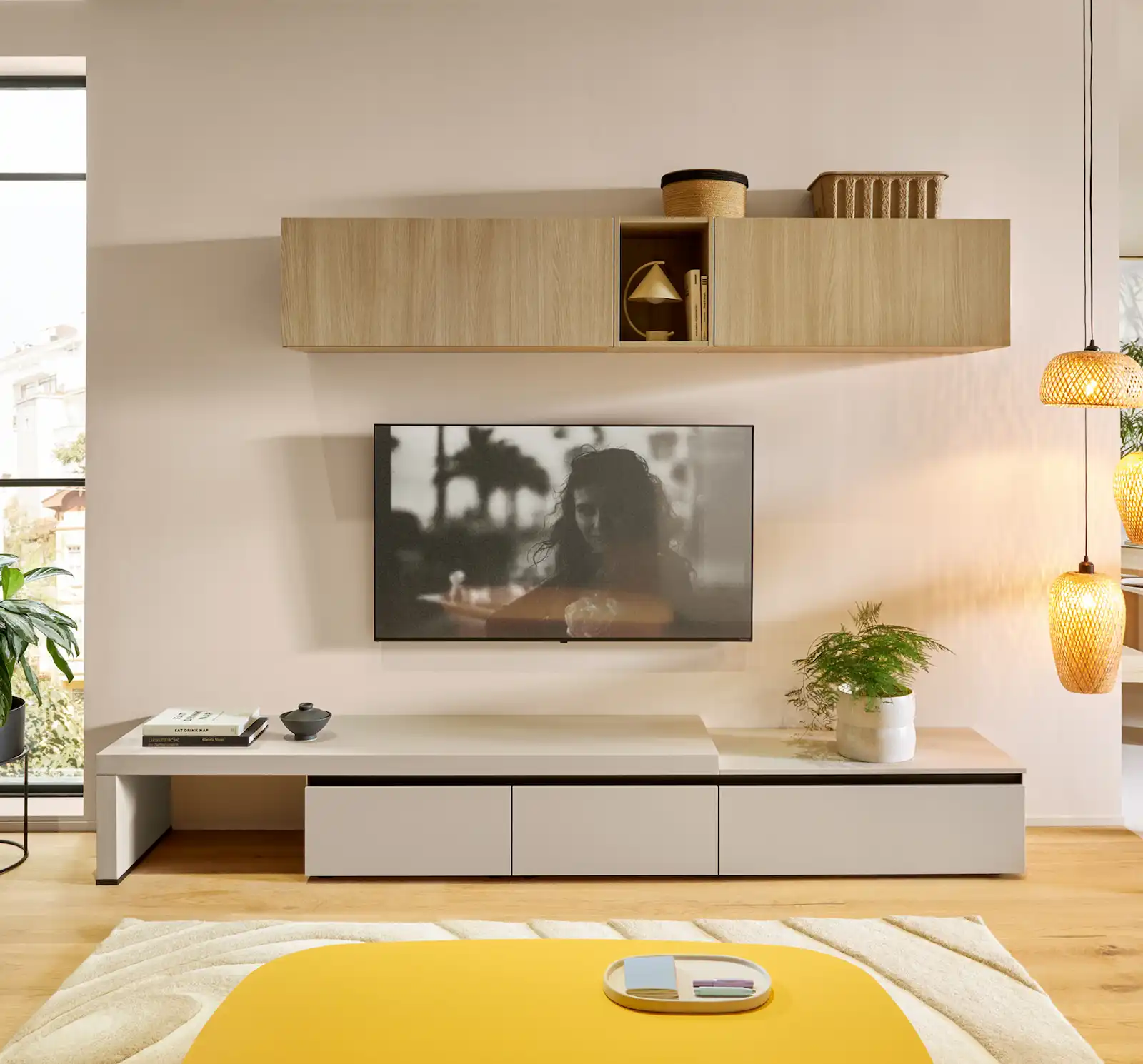
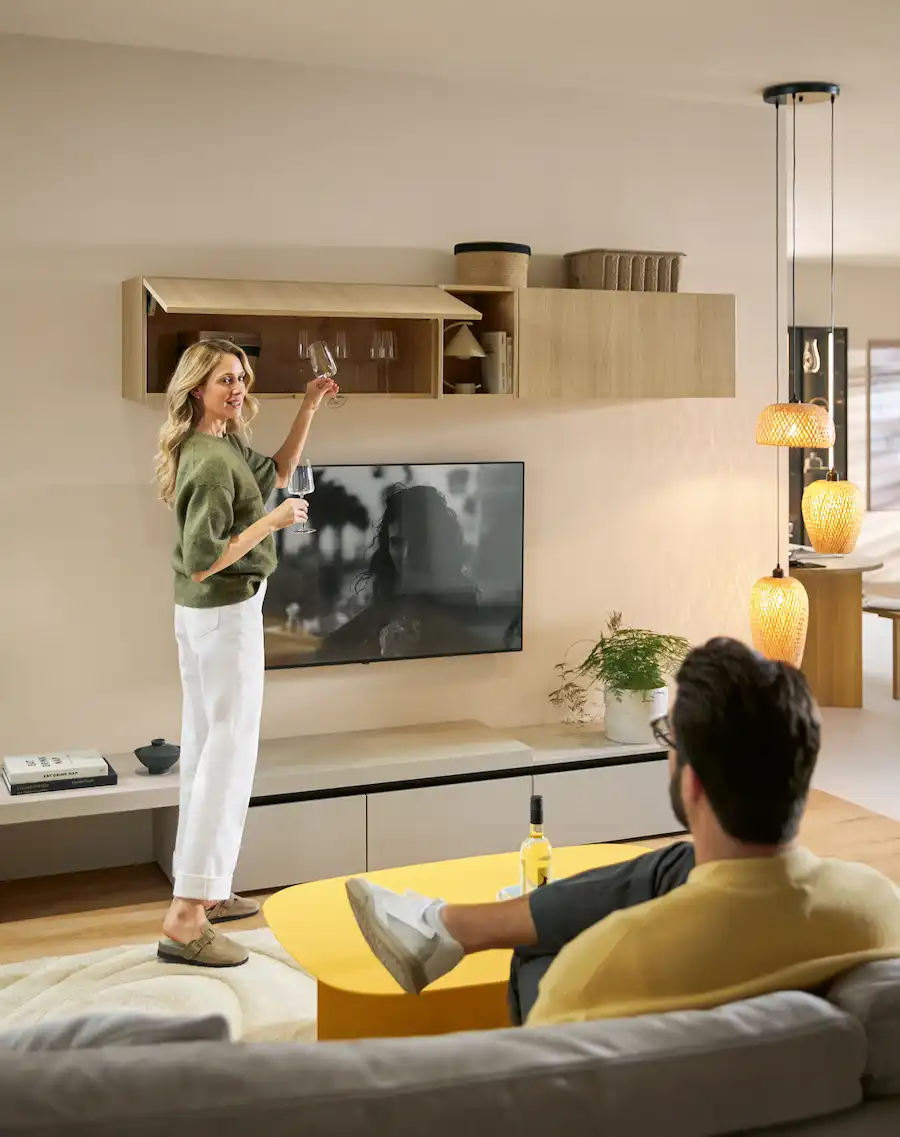
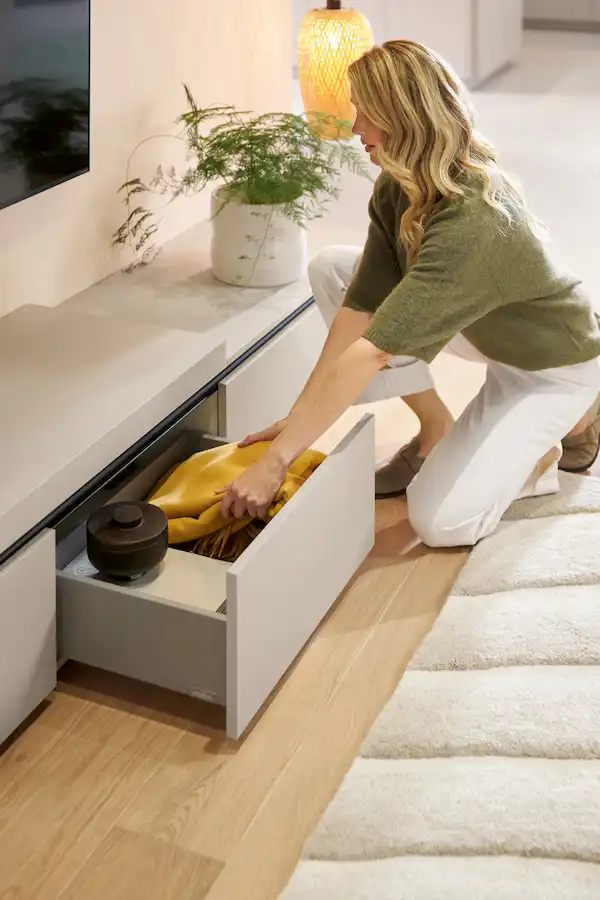
Taking a deeper delve into Chris’s three key design pillars for 2026, find out how materials, finishes, and technology are driving trends in fitted furniture and kitchen design.
Materials, Finishes and Technology
These core design features are underpinned by a focus on high-quality, tactile materials and invisible technology, reflecting the philosophy.
Tactile Materials and Aesthetics
- Exposed Timbers: There is a pronounced return to exposed timber finishes, especially natural walnut and oak, which are used with lighter lacquers that reveal the grain’s movement and provide warmth and longevity. These are often paired with stone like marble or quartz.
- Tactile Finishes: Matte and textured surfaces are replacing glossy ones. For example, brushed steel, bronze, and soft-touch cabinetry, including ribbed or fluted textures.
- Unexpected Materials: Designers are incorporating unique materials such as lava stone, iron, terracotta, and glazed ceramics.
- Aged Metals: Mixed metal finishes are prominent, favouring brushed steel, bronze, and aged brass for hardware and faucets.
Seamless Technology and Wellness
Technology in the exclusive kitchen is about invisible convenience and supporting a sustainable, low-maintenance lifestyle.
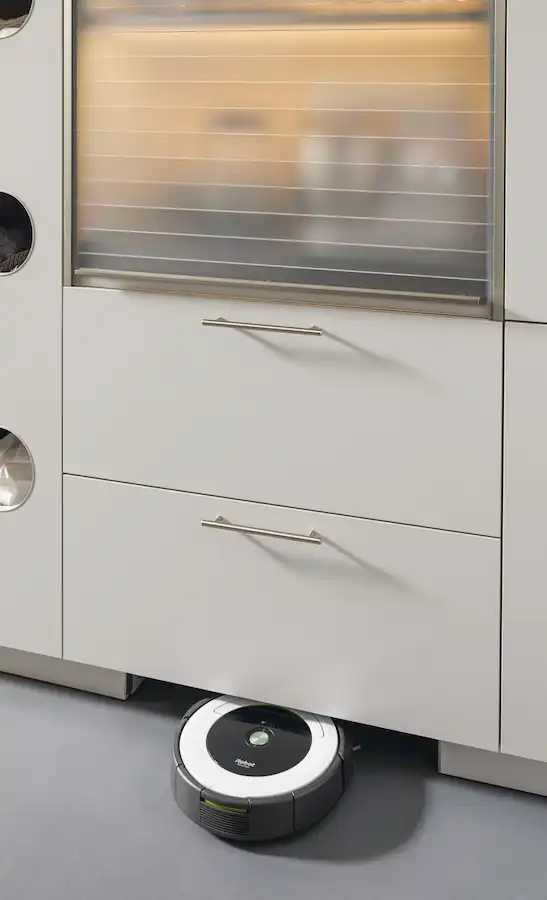
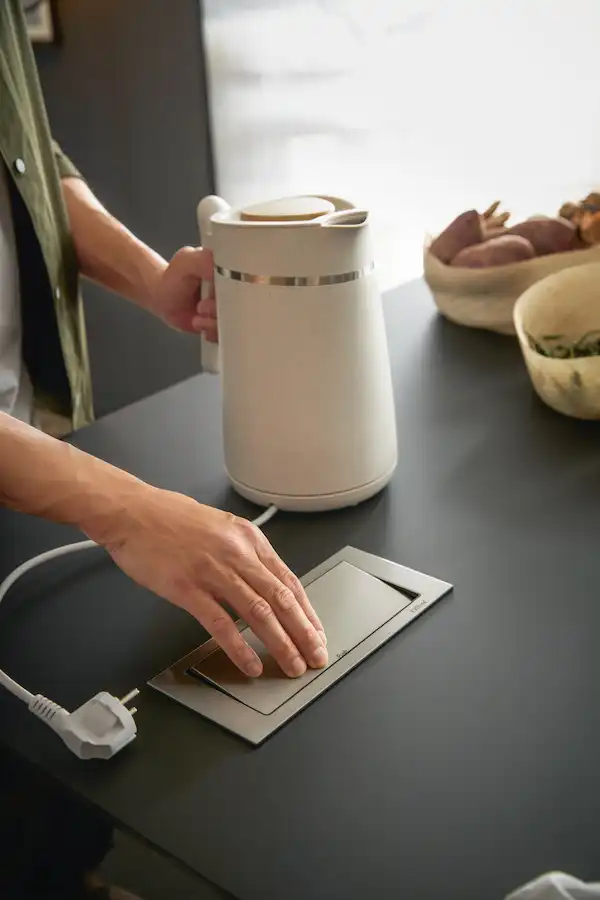
- Invisible Smart Tech: Smart technology is integrated seamlessly for a modern feel. This includes flush induction hobs and discrete appliances.
- Multi-functional Taps: Multi-functional taps providing instant boiling, filtered, and sparkling water are a must-have for streamlined convenience.
- Wellness & Accessibility: Designs incorporate a focus on wellness, maximise natural light, and integrate accessibility features as standard.
- Layered Lighting: A variety of lighting types, including dramatic statement pieces and subtle layered lighting (like integrated LEDs), are used to create mood and highlight different areas.
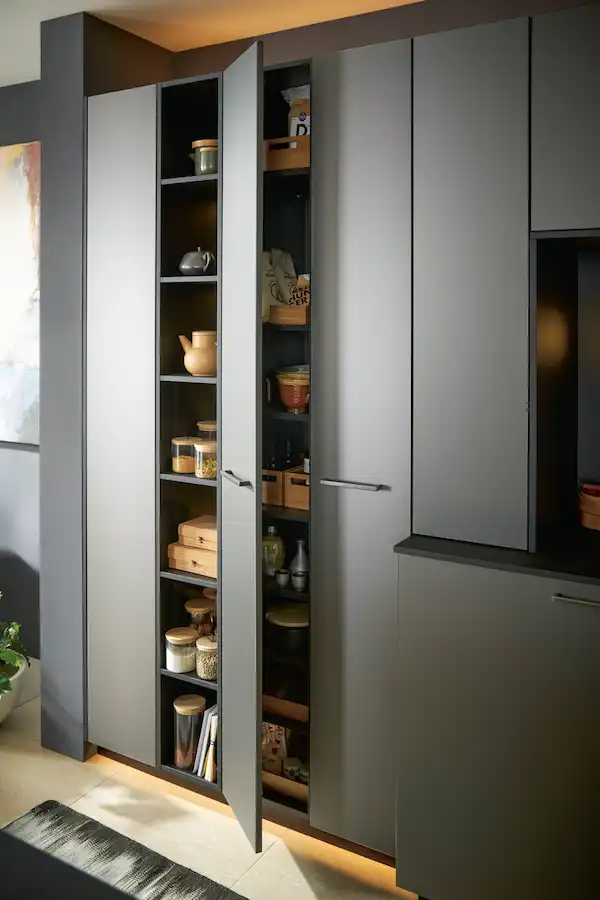
The kitchens of 2026 will achieve a composed kind of confidence – spaces that feel personal, effortless, and deeply satisfying to live with. They are designed for longevity, with timeless materials and thoughtful details that make them subtly brilliant rather than loudly fashionable.

Next Steps
Rediscover the joy of cooking, entertaining, and spending time together in a kitchen designed just for you. Visit our Bury St Edmunds kitchen showroom or book your free home design visit to start your journey toward a modern, functional, and beautiful new kitchen.
House of Harmony – transforming new build kitchens across Suffolk since 1981.